CAROL Bike
Our take: CAROL is easiest to justify when time is the real constraint. You are paying $2,795 for a bike engineered to make two 20-second maximal sprints automatic, repeatable and difficult to procrastinate.
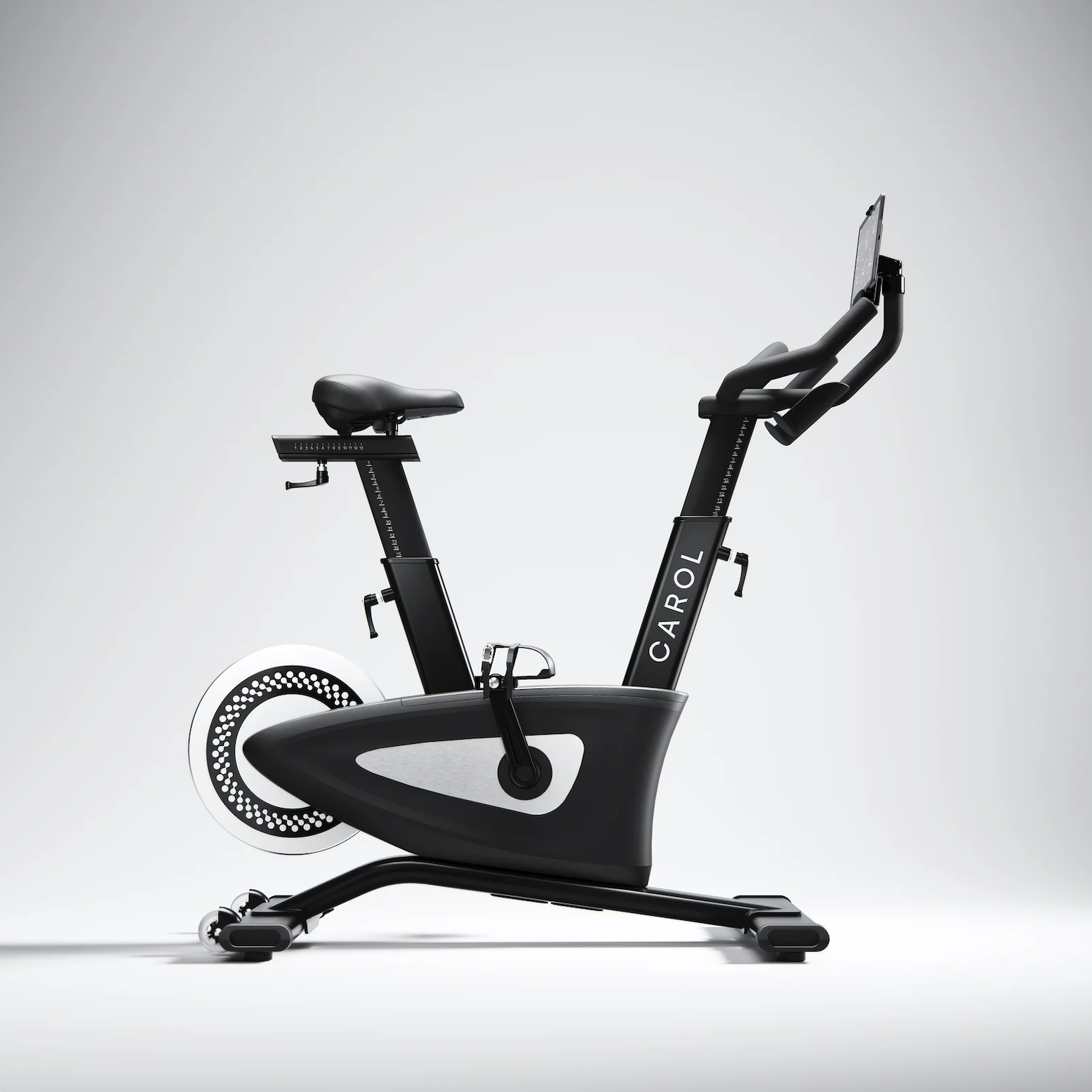
What to know
The premium buys compliance
A conventional exercise bike costs less and gives you more ways to train. CAROL’s case is narrower: motorized resistance is applied for the sprint rather than left to a dial, and the signature protocol collapses the hard work into about five minutes. That is worth paying for only if a short, prescribed routine is more likely to happen than a broader training plan.
It is not as single-purpose as the pitch can sound—CAROL also offers free riding and app integrations—but those extras are not why we would pay the premium. The point is removing decisions around a very specific interval protocol.
Consider
Ideal for: a time-constrained buyer who specifically wants structured maximal-effort interval work and values automatic resistance.
Skip if: you want instructor-led classes, long endurance sessions as the primary use, or simply need a competent indoor bike. There are cheaper and more versatile alternatives.
The catch
The strongest health and performance claims on CAROL’s site are manufacturer claims tied to REHIT research; Row & Ledger has not independently replicated them. Maximal-effort intervals are also not the right training choice for every person.
Sources and evidence
Current price, membership, display and product capabilities were checked against CAROL’s current product information. Protocol timing was checked against CAROL’s REHIT Intense description.
Updated September 2, 2026. Manufacturer-stated pricing and specifications. Row & Ledger has not physically tested CAROL Bike or independently verified CAROL’s performance claims.