Teenage Engineering OP–1 field
A $1,999 portable studio that makes less sense as a feature-per-dollar purchase than it does as an argument for tactile constraints.
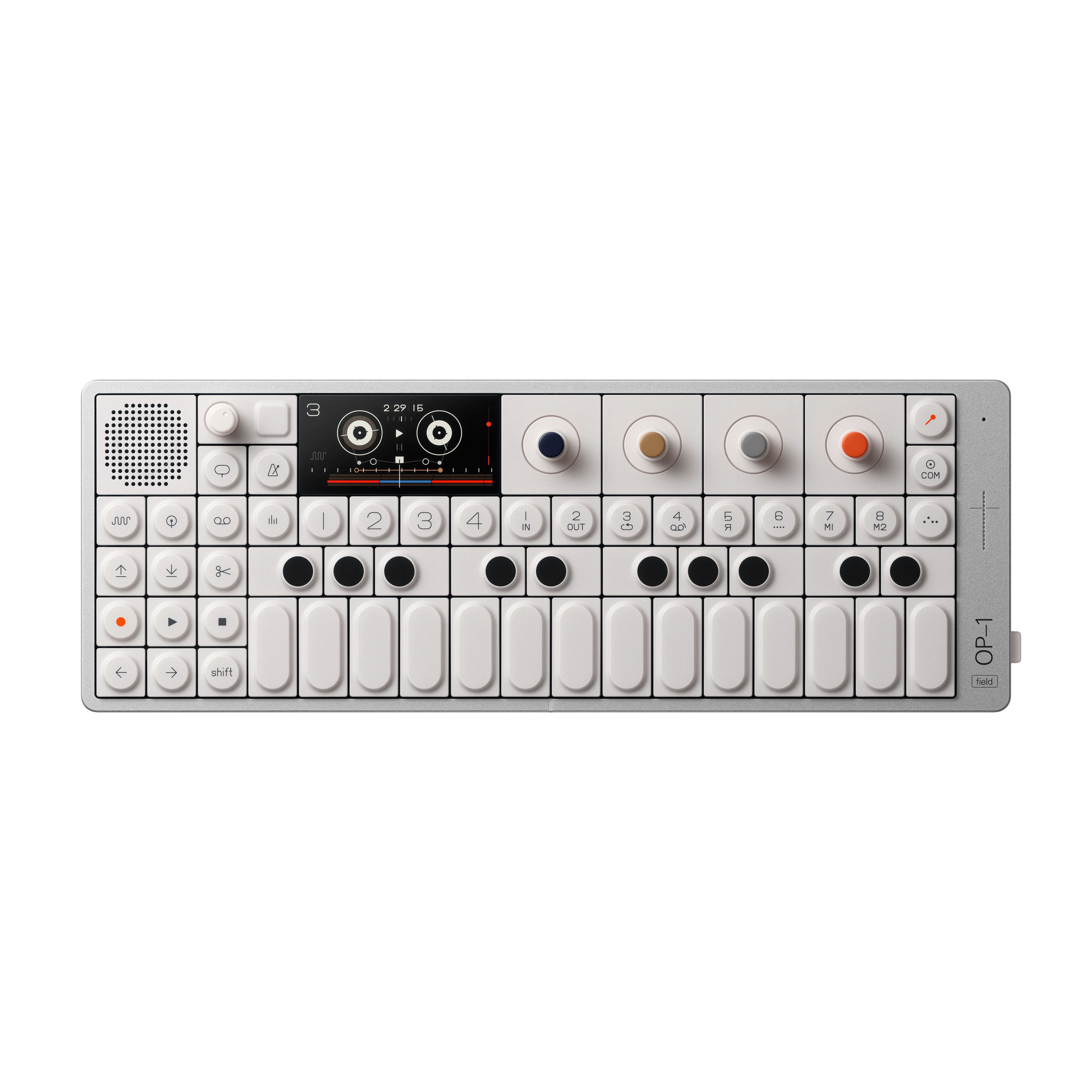
OP–1 field compresses a surprising amount of music-making hardware into one object: synthesizers, sampling, drums, sequencing, effects and a tape-style recording workflow, plus a built-in speaker and microphone. Teenage Engineering lists 12 synth engines and a 24-hour rechargeable battery.
The appeal is partly architectural. Instead of reproducing a laptop DAW in miniature, OP–1 field gives the musician a deliberately idiosyncratic interface—physical keys, color-coded controls, a small high-resolution display and an aluminum body that can travel without pretending to be a general-purpose computer.
What we know
What does the premium buy?
The rational baseline is a laptop with modern music software, which delivers far more raw capability for less money. OP–1 field's premium buys portability, immediacy, tactile controls, a self-contained aluminum instrument and a deliberately constrained workflow designed to change how ideas get made.
Admire · Buy if the constraints improve the work
Capability-per-dollar is not the point. The purchase only becomes rational when the physical interface, portability and tape-style workflow materially change your creative process.
The catch
A laptop and modern music software can provide far more raw capability for less money. If portability, immediacy and tactile constraints do not change how you work, the premium is difficult to defend.
Independent perspective: Sound On Sound instrument review.
Price, dimensions, weight, engine count and battery life are manufacturer-stated and may change. Row & Ledger has not physically tested this instrument.