Best Carry-On Luggage for Frequent Business Travelers
Premium carry-ons are a useful place to separate engineering from theater. We compared four serious cases around the things that matter after the airport glamour wears off: dimensions, empty weight, usable organization, repair economics and whether the design premium survives repeated travel.
The Row
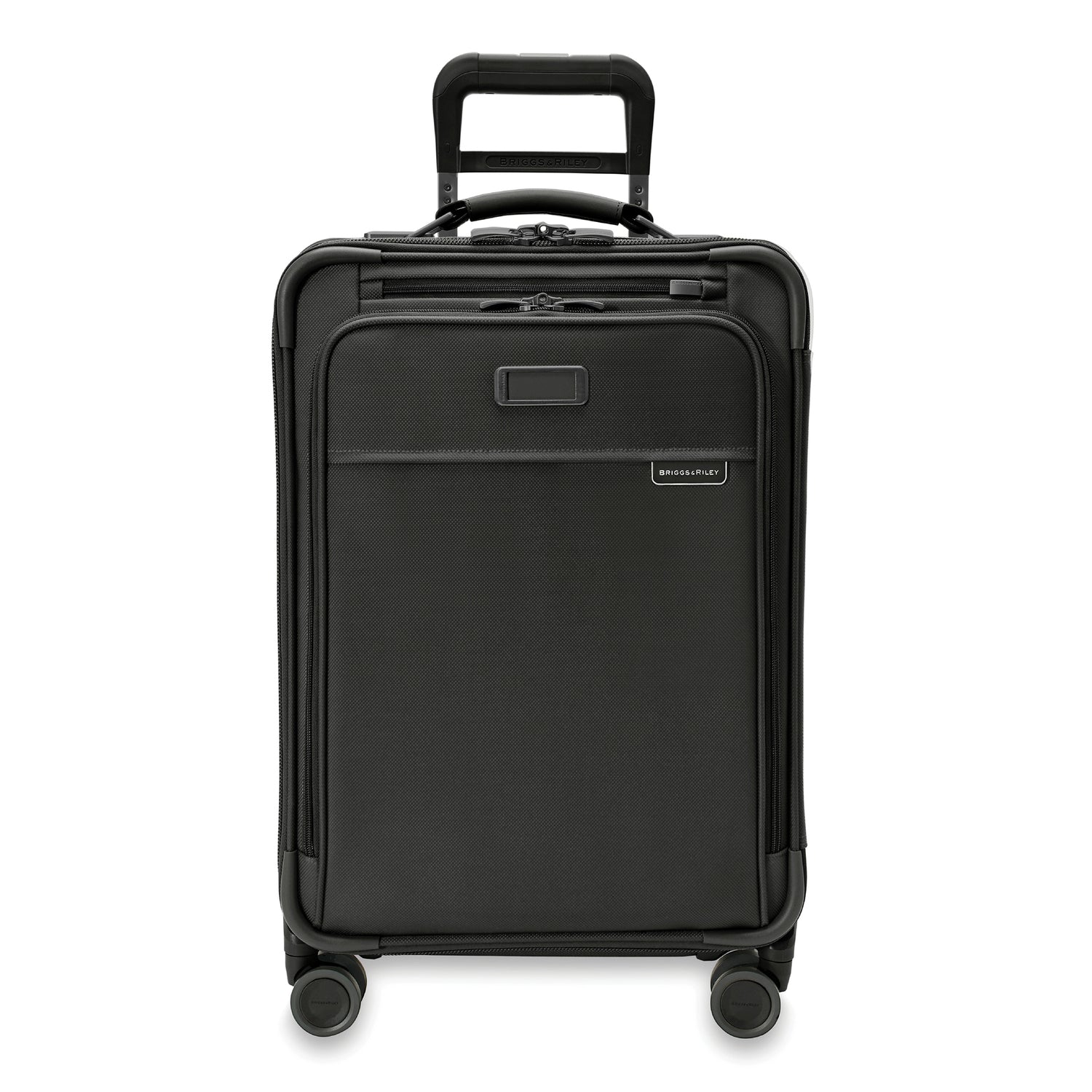
Briggs & Riley Baseline Essential 22"
The strongest long-horizon ownership case: expandable 37–48L capacity and a lifetime guarantee that explicitly includes airline damage.
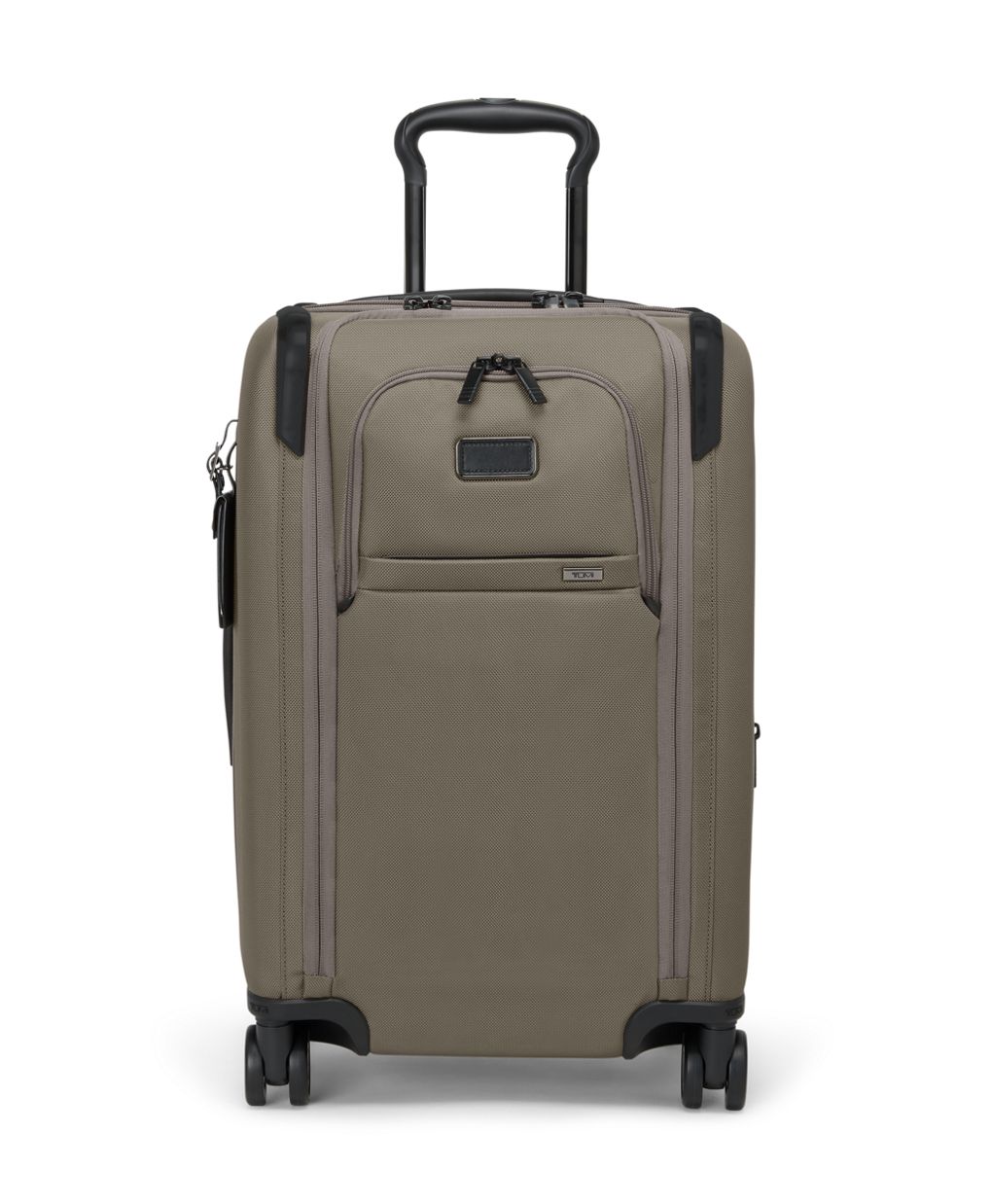
TUMI Dual Access Expandable Carry-On
A work-first layout with front access, dual-entry packing, 35L capacity and unusually deep organization—at the cost of 9.2 lb empty.
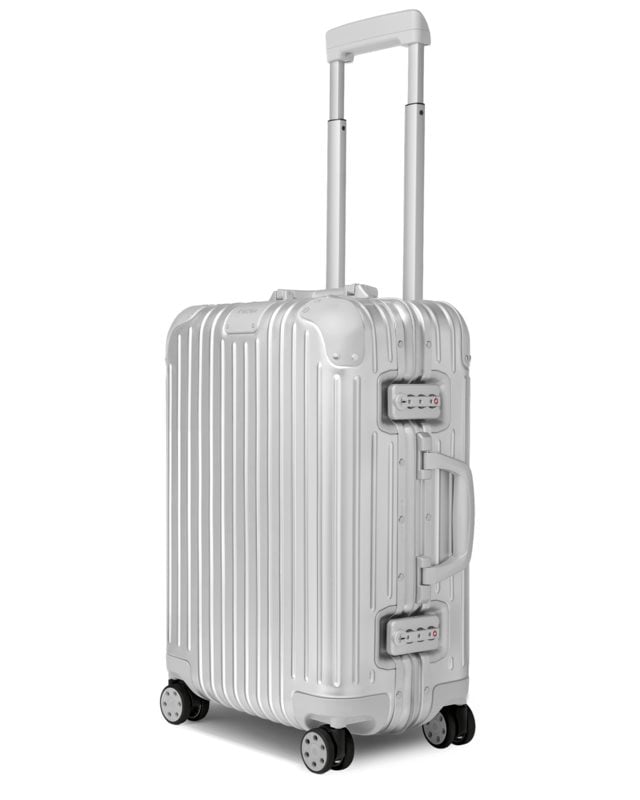
RIMOWA Original Cabin
The clearest luxury proposition: anodized aluminum, 35L capacity, lifetime guarantee and an iconic shell. The design is part of what you are buying.
The evidence sheet
| Product | Role | Capacity | Empty weight | What the premium buys |
|---|---|---|---|---|
| Briggs & Riley Baseline Essential 22" | Best overall | 37–48 L | 10 lb | CX expansion/compression, flat packing surface, lifetime airline-damage repair |
| TUMI Dual Access Expandable | Best access | 35 L | 9.2 lb | Dual access, ballistic nylon, integrated organization, USB-C pass-through |
| RIMOWA Original Cabin | Design benchmark | 35 L | 9.5 lb | Anodized aluminum, Multiwheel system, Flex Divider, lifetime guarantee |
| Carl Friedrik Carry-on X | Work-laptop specialist | 44 L | 10.4 lb | Hard-shell front pocket, aluminum frame, polycarbonate shell, lifetime warranty |
What does more money actually buy?
At this level, price does not reliably buy lower weight. It buys different forms of friction reduction: Briggs & Riley sells repairability and expansion; TUMI sells access and organization; RIMOWA sells aluminum engineering plus design identity; Carl Friedrik sells a laptop-first hybrid architecture. If none of those matters to you, a lighter $250–$400 polycarbonate case is the more disciplined purchase.
The decision that actually matters
None of these is light. That changes the question. Once an empty carry-on approaches ten pounds, the premium has to earn itself through organization, protection, repairability or design value—not a claim of effortless portability.
For frequent business travel, Briggs & Riley has the most defensible ownership economics because its guarantee covers damage even when an airline causes it. TUMI is the better answer when fast access to work gear is more valuable than maximum expansion. RIMOWA is the honest design choice: aluminum is heavier and dents, but the material, repair ecosystem and object permanence are the point.
Who should buy what
- Briggs & Riley: frequent domestic travelers who want one case for years and care about repair economics.
- TUMI: operators who live out of organized compartments and need quick access in transit.
- RIMOWA: buyers who knowingly value aluminum construction and design continuity enough to pay for them.
- Carl Friedrik: travelers who want a rigid front laptop pocket and do not mind a very heavy empty case.
The catch
Carry-on dimensions are not universal. RIMOWA's 15.8-inch width and Carl Friedrik's 15-inch width can exceed stricter airline limits; expansion can also push soft cases beyond published dimensions. Always check the operating airline rather than treating “carry-on” as a global standard.
Briggs & Riley Baseline Essential 22"
For a frequent business traveler who wants the strongest rational premium, Baseline wins. It is still heavy, but the 37–48L expansion range and unusually broad lifetime repair policy turn the spend into a long-term ownership argument rather than a logo argument.
Evidence used
Briggs & Riley Baseline Essential
TUMI Dual Access Expandable Carry-On
RIMOWA Original Cabin
Carl Friedrik Carry-on X