Best Design-Forward Wireless Speakers
Wireless speakers become interesting when the object has to share a room with furniture. We compared three very different approaches: Sonos hiding complexity inside an ecosystem, Bang & Olufsen treating the speaker as architecture, and Devialet compressing extreme output into a small sculptural object.
The Row
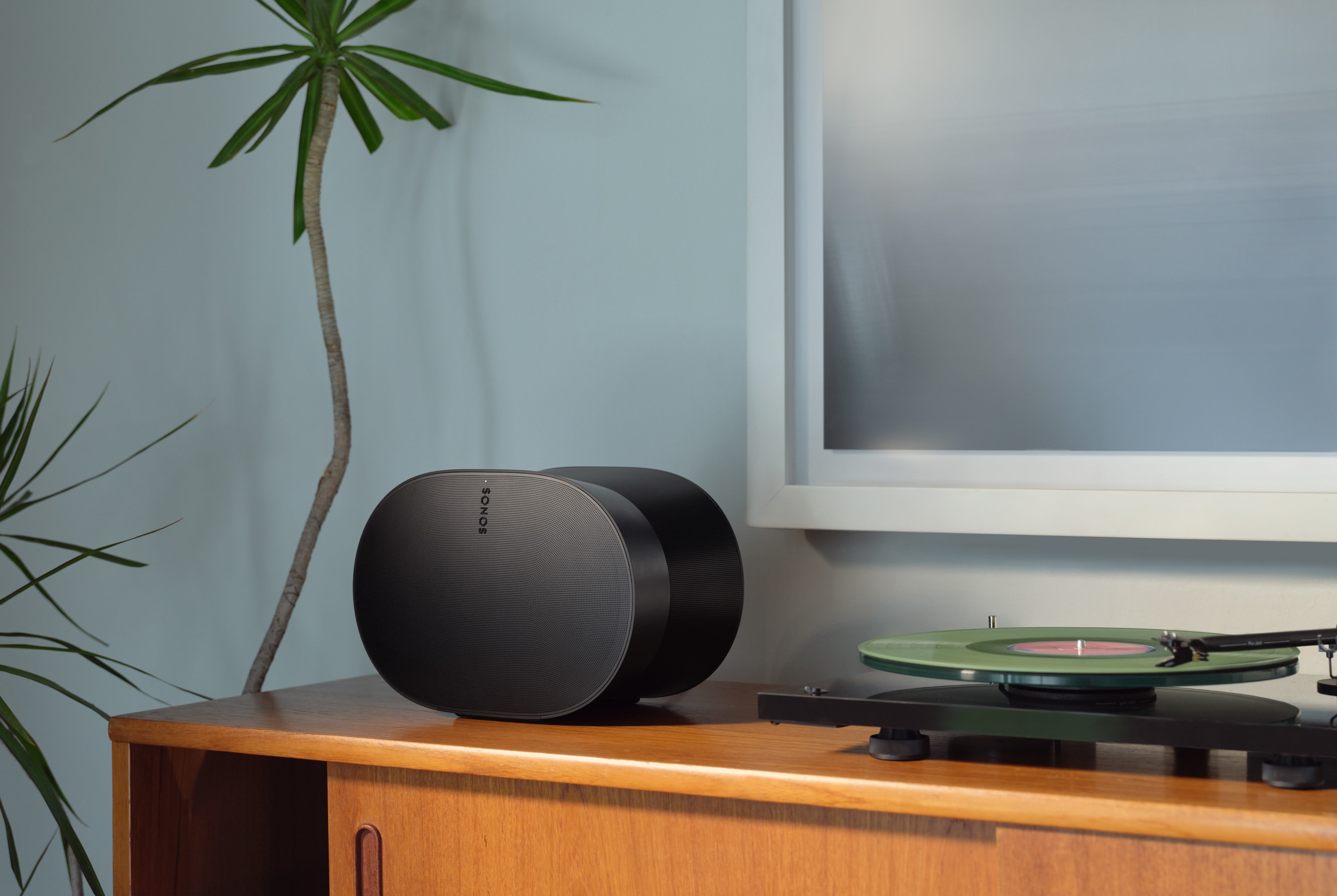
Sonos Era 300
At $479, six amplifiers, Dolby Atmos, Wi-Fi, Bluetooth, AirPlay 2 and mature multi-room integration make the strongest all-around value case.
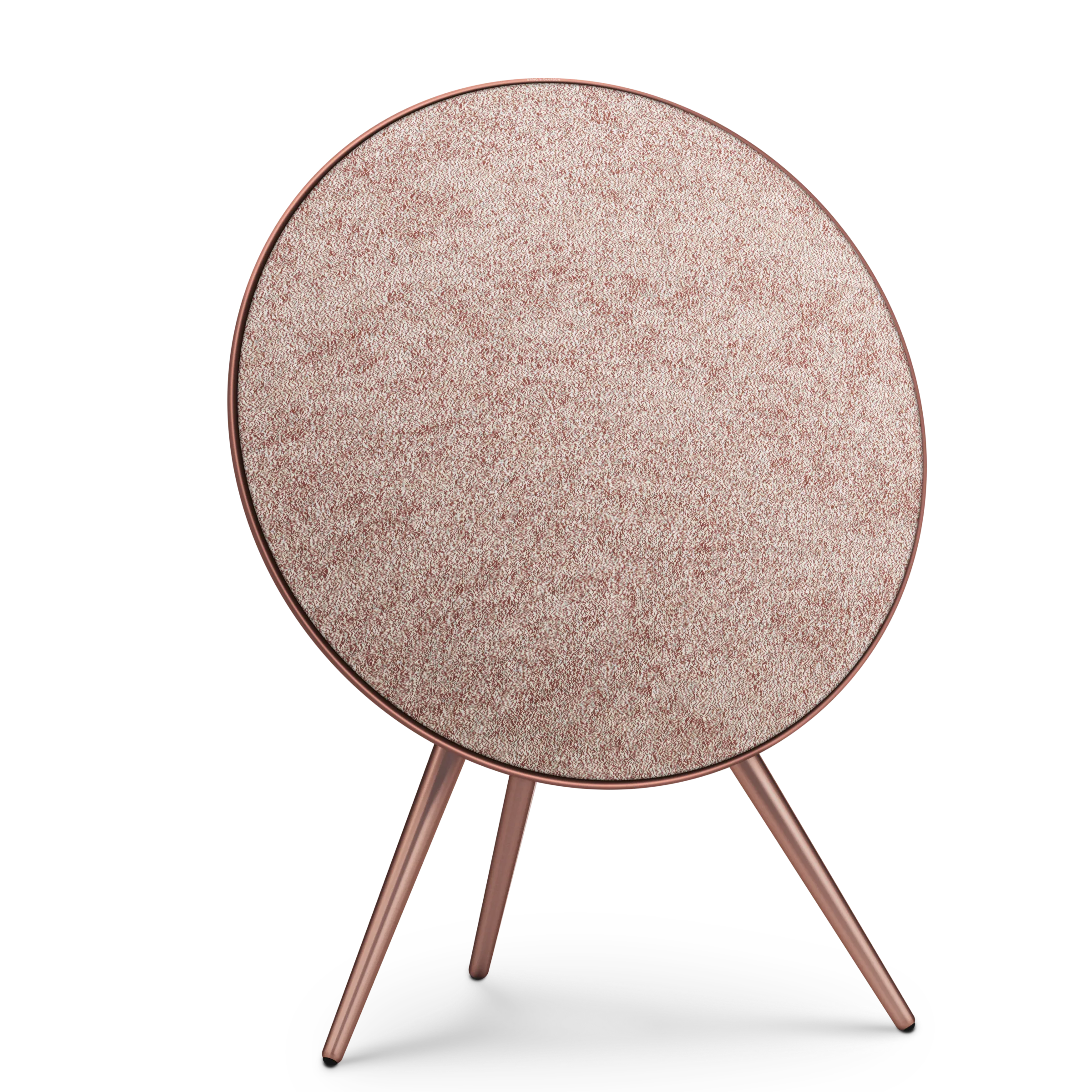
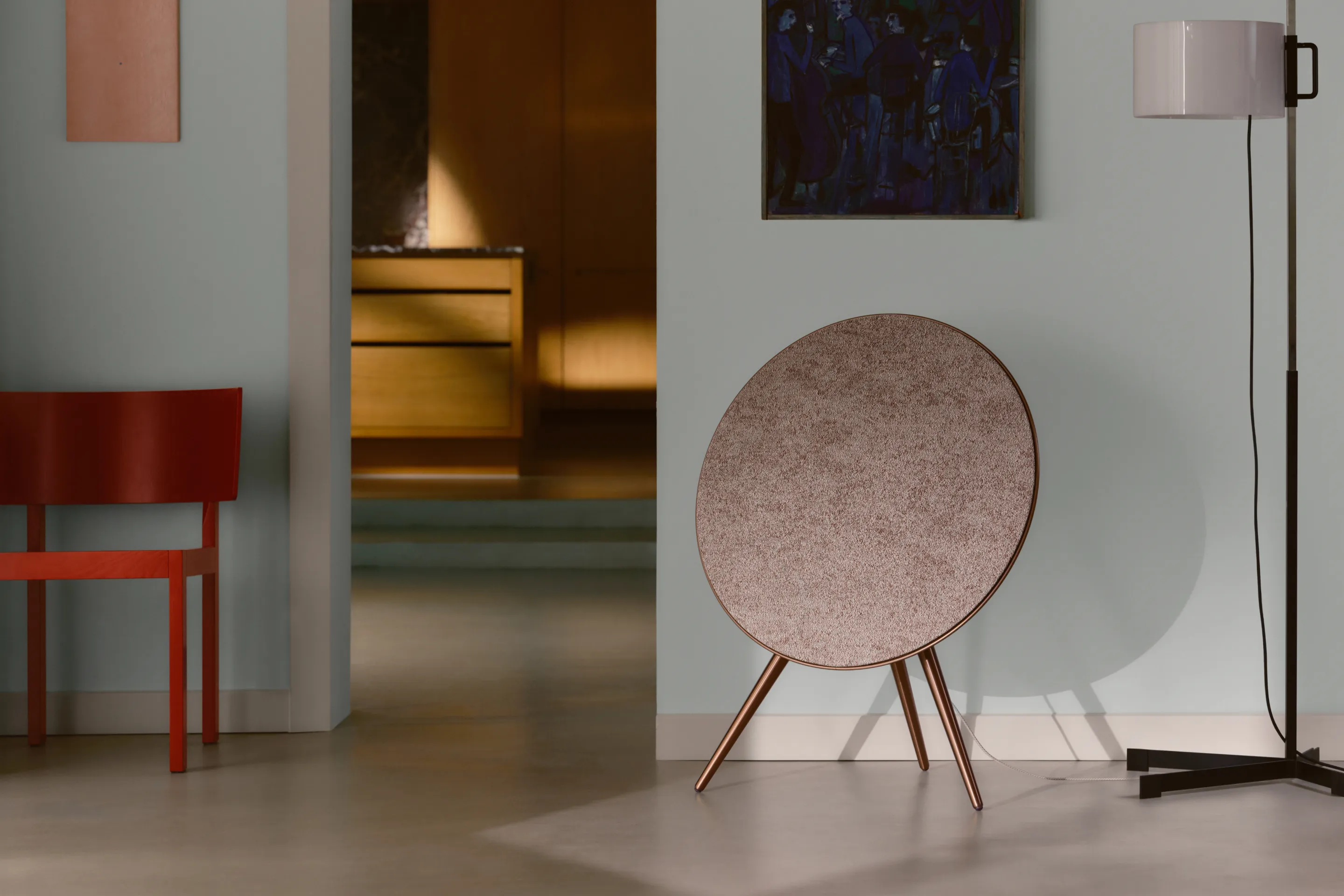
Bang & Olufsen Beosound A9
Seven drivers and a $4,650 starting point make this as much interior object as wireless speaker.
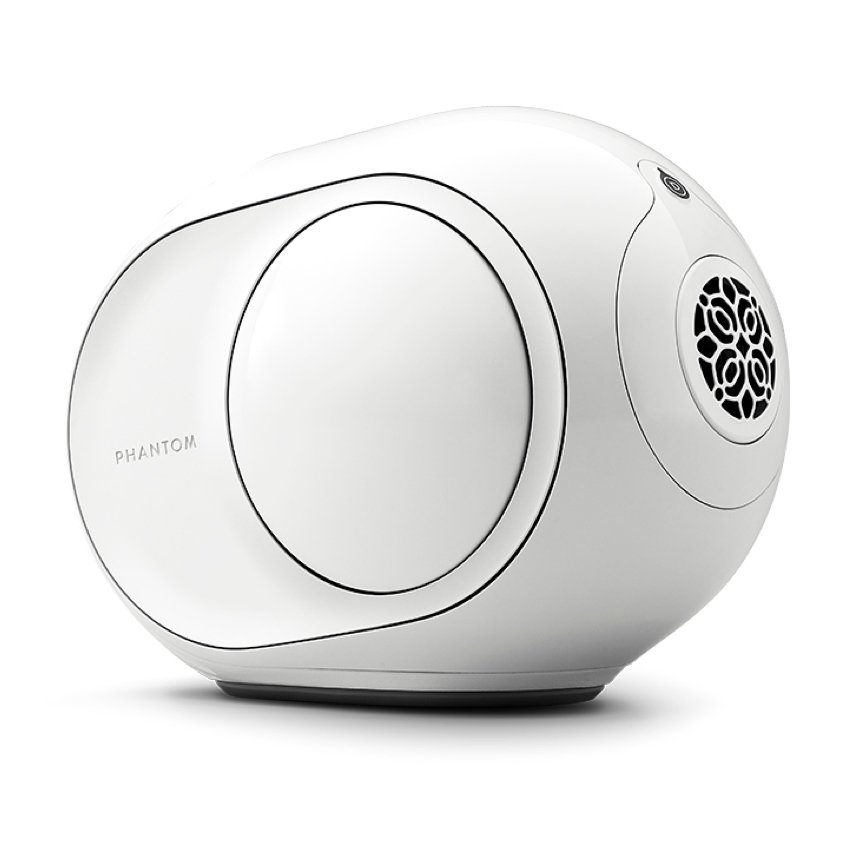
Devialet Phantom II 98 dB
400 watts RMS and 18Hz–21kHz output from a 4.3kg body is the clearest engineering spectacle of the three.
The evidence sheet
| Product | Price | Architecture | Connectivity | What the premium buys |
|---|---|---|---|---|
| Sonos Era 300 | $479 | 6 amps · 4 tweeters · 2 woofers | Wi-Fi · Bluetooth · AirPlay 2 · line-in via adapter | Spatial audio, room tuning and one of the strongest whole-home ecosystems |
| Beosound A9 | From $4,650 | 7 drivers | Connected multi-room platform | Furniture-scale design, customization and B&O object value |
| Phantom II 98 dB | ~$1,450 / CHF 1,450 market-dependent | 400W RMS · 3 drivers | Wi-Fi · AirPlay · Bluetooth · Spotify Connect · UPnP | Extreme output-to-volume ratio and proprietary amplification architecture |
When does speaker design earn real money?
Design has value when the speaker is permanently visible. But the premium should still buy more than shape. Sonos makes the strongest rational case because the industrial design arrives with a mature ecosystem. Devialet converts money into compactness and physical output. B&O is the honest luxury choice: the speaker's role in the room is part of the product.
The decision that actually matters
Start with the room, not the spec sheet. If the speaker becomes part of a wider TV or multi-room system, Sonos wins on architecture. If it must look intentional in a carefully designed room, the A9 does something almost no conventional speaker attempts. If the constraint is physical volume but you still want dramatic output, Phantom II is the specialist.
Who should buy what
- Era 300: most buyers who want one premium wireless speaker with credible expansion options.
- Beosound A9: buyers treating audio as part of the interior-design budget.
- Phantom II: buyers who value compactness and engineering spectacle more than ecosystem breadth.
The catch
Sound quality remains room- and listener-dependent. Published driver counts, wattage and frequency response cannot establish tonal preference, imaging or how each speaker behaves in your actual space.
Sonos Era 300
The Era 300 is the best balance because the design premium is attached to useful infrastructure: room tuning, spatial playback, multi-room integration and home-theater expansion. It looks unusual without requiring the buyer to treat the speaker as sculpture first.
Evidence used
Sonos Era 300
Bang & Olufsen Beosound A9
Devialet Phantom II 98 dB