Best Espresso Grinders for Home
A grinder can improve espresso more directly than many machines that cost several times as much. The useful comparison is not feature count. It is burr architecture, adjustment control, retention, dosing workflow and whether paying more removes friction you will notice every morning.
The Row
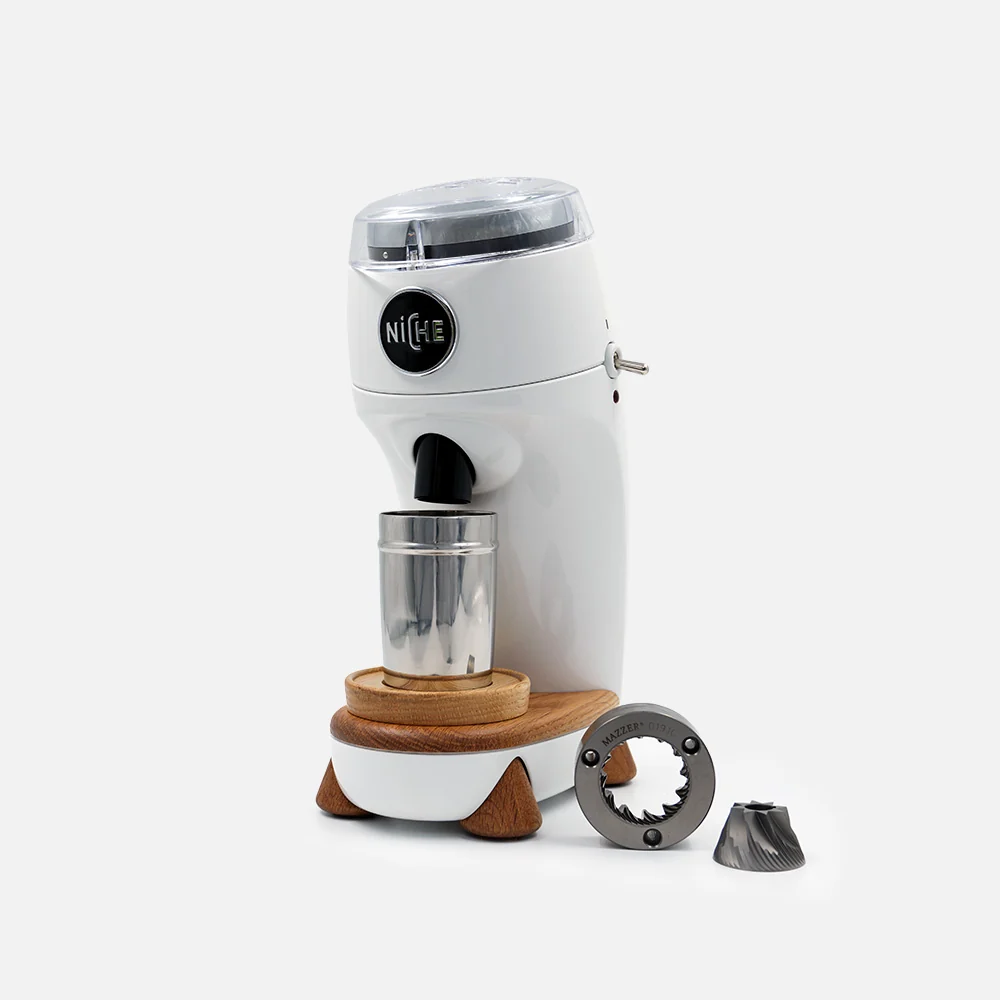
Niche Zero
A 63mm conical-burr, single-dose grinder with infinite stepless adjustment and a direct grind path. The premium is mostly spent on espresso workflow rather than screens or presets.
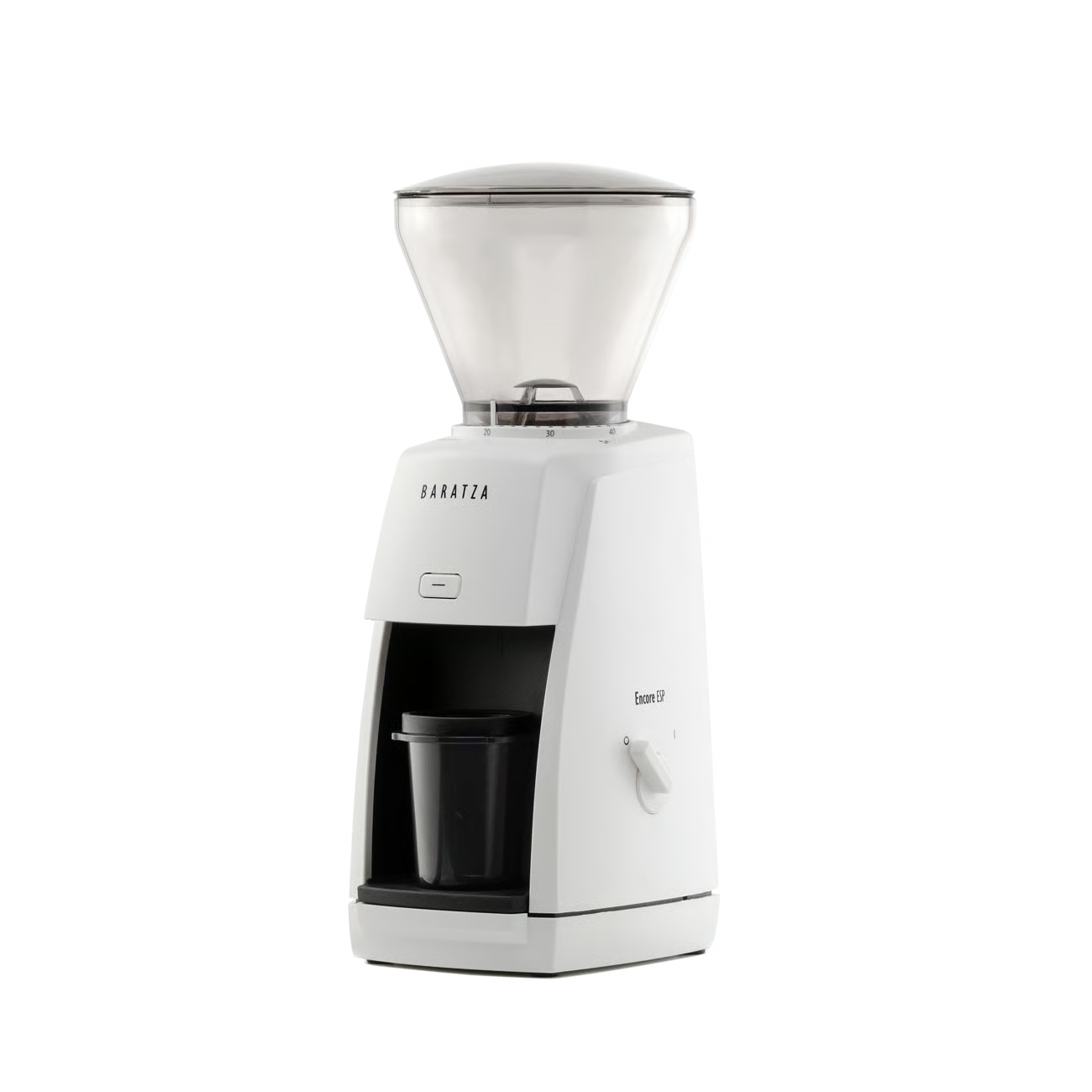
Baratza Encore ESP
A roughly $200 entry point with 40mm conical burrs and 20 espresso-focused adjustment steps before the range opens for filter coffee.
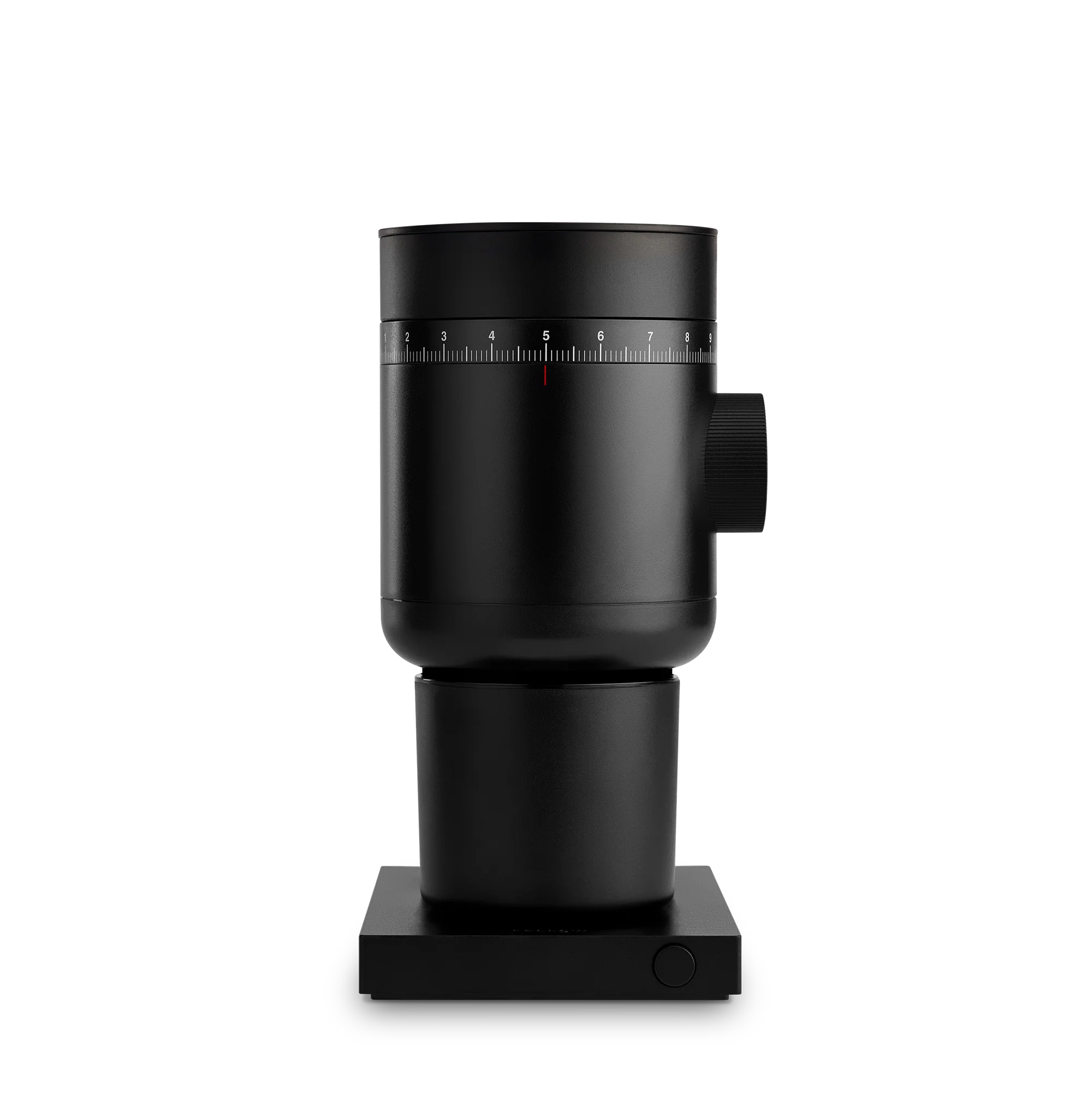
Fellow Opus 2
48mm conical burrs, stepless side adjustment and anti-static design make it the stronger one-grinder answer for households moving between espresso and filter.
The evidence sheet
| Grinder | Burrs | Adjustment | Workflow | Row role |
|---|---|---|---|---|
| Niche Zero | 63mm conical | Infinite stepless | Single dose · direct grind path | Best overall |
| Baratza Encore ESP | 40mm conical steel | 40 steps · 1–20 espresso-focused | Hopper + dosing cup | Best value |
| Fellow Opus 2 | 48mm conical | Stepless side dial | All-method + anti-static | Best versatile budget choice |
| Niche Duo | 83mm flat | Stepless | Single dose | Specialist flat-burr upgrade |
What does more money actually buy?
Once a grinder is capable of true espresso adjustment, the better premium is mechanical: larger or different burrs, finer control, lower-retention workflow, quieter operation and durable adjustment hardware. A touchscreen, timer or preset menu is not automatically a better grind.
Why Niche remains coherent
Niche Zero is expensive compared with the Encore ESP, but the product architecture explains much of the gap. It is designed around single dosing, uses a direct grind path to minimize retained coffee and provides stepless adjustment so the user is not trapped between fixed espresso settings when dialing in a shot.
Where $200 gets surprisingly serious
Baratza's Encore ESP is a useful baseline because the first 20 adjustment positions are specifically concentrated around espresso. Buyers moving from pre-ground coffee or a conventional all-purpose grinder may get a larger improvement here than they would by spending hundreds more on the espresso machine itself.
Fellow's Opus 2 is the more flexible alternative when espresso is only part of the household workflow. The 48mm conical burr set, anti-static system and broader all-method intent make it easier to justify as the only grinder on the counter.
Flat versus conical is not a status ladder
Niche Duo's 83mm flat burrs are a meaningful architectural difference, not proof of universal superiority. Burr geometry can change clarity, body and grind behavior, but taste preference, roast style and workflow determine whether the upgrade is valuable. We do not treat burr diameter as a luxury score.
Who should skip the premium
If you mostly use pressurized baskets, milk drinks with dark roasts or pre-programmed machines where grind adjustment is rarely touched, the Encore ESP may be the rational ceiling. The Niche premium makes sense when dialing in espresso is part of the routine rather than an occasional calibration exercise.
The catch
Published burr specifications do not reveal workflow friction, noise, retention, static or how easily a grinder stays calibrated across coffees. Those are daily-use judgments we have not independently measured. Espresso also punishes weak machines and inconsistent technique, so a more expensive grinder cannot repair the rest of an incoherent setup.
Niche Zero
Niche Zero wins because almost every expensive part of the proposition is tied to the job: controlled adjustment, single-dose workflow, low-retention architecture and a 63mm conical burr set. It is a premium grinder without needing to pretend that software is the value.