Best Packing Cubes for Carry-On Travel
Packing cubes solve a small problem, which is why they are easy to over-engineer. The useful test is not how many branded pouches fit inside a carry-on. It is whether a cube reduces search friction, controls volume or separates states—clean from dirty—without adding needless complexity.
The Row
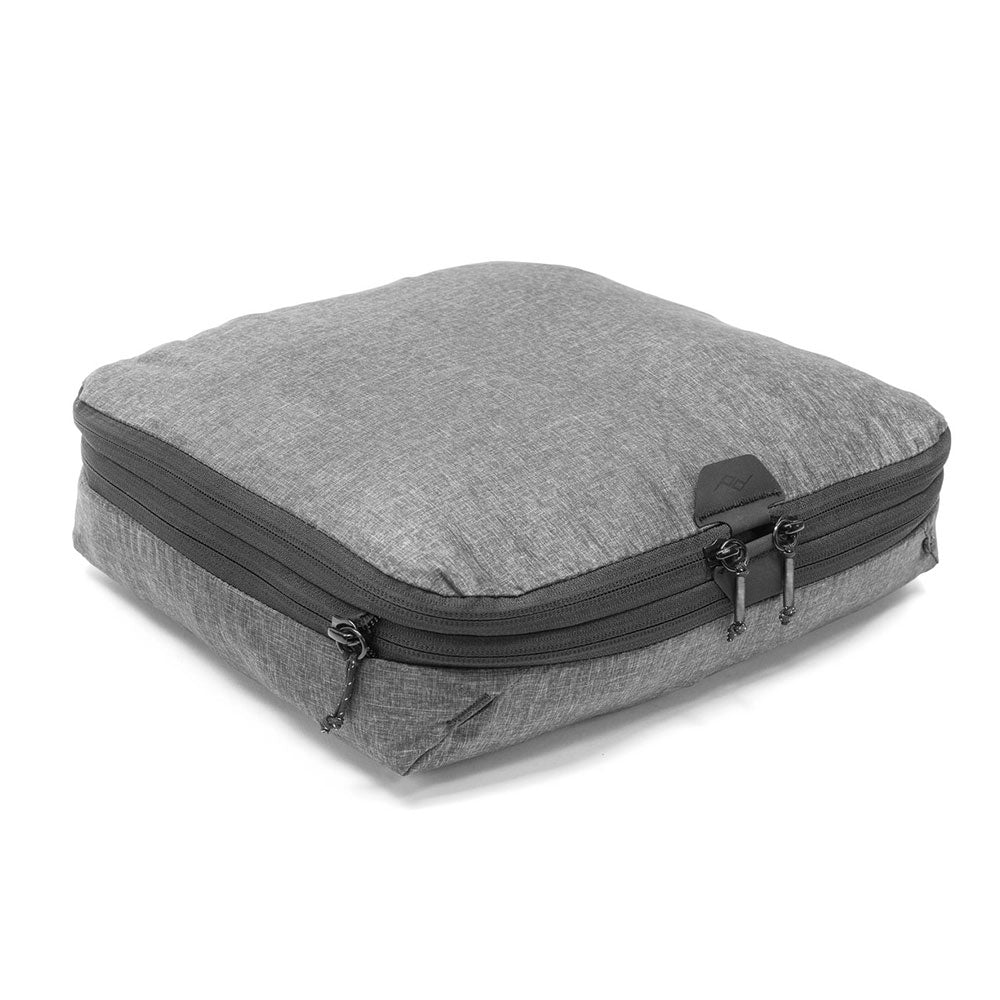
Peak Design Packing Cubes
The most differentiated design: compression plus an internal clean/dirty divider in a compact, durable format.
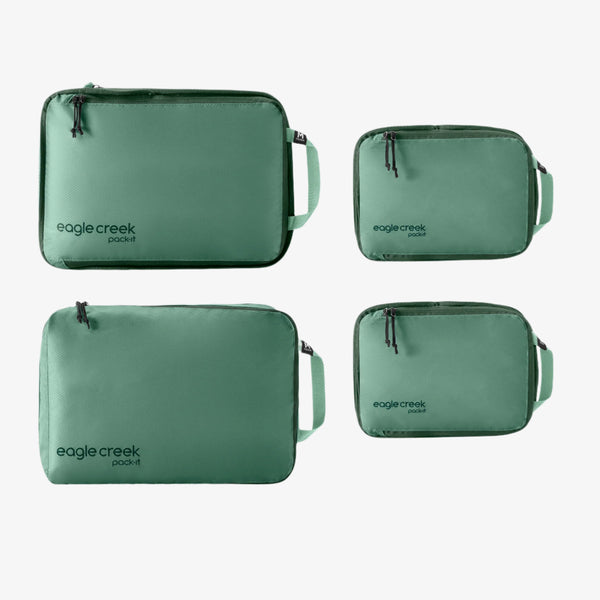
Eagle Creek Pack-It
A mature ecosystem with lightweight options, visible organization and a strong value case for travelers who do not need elaborate compression.
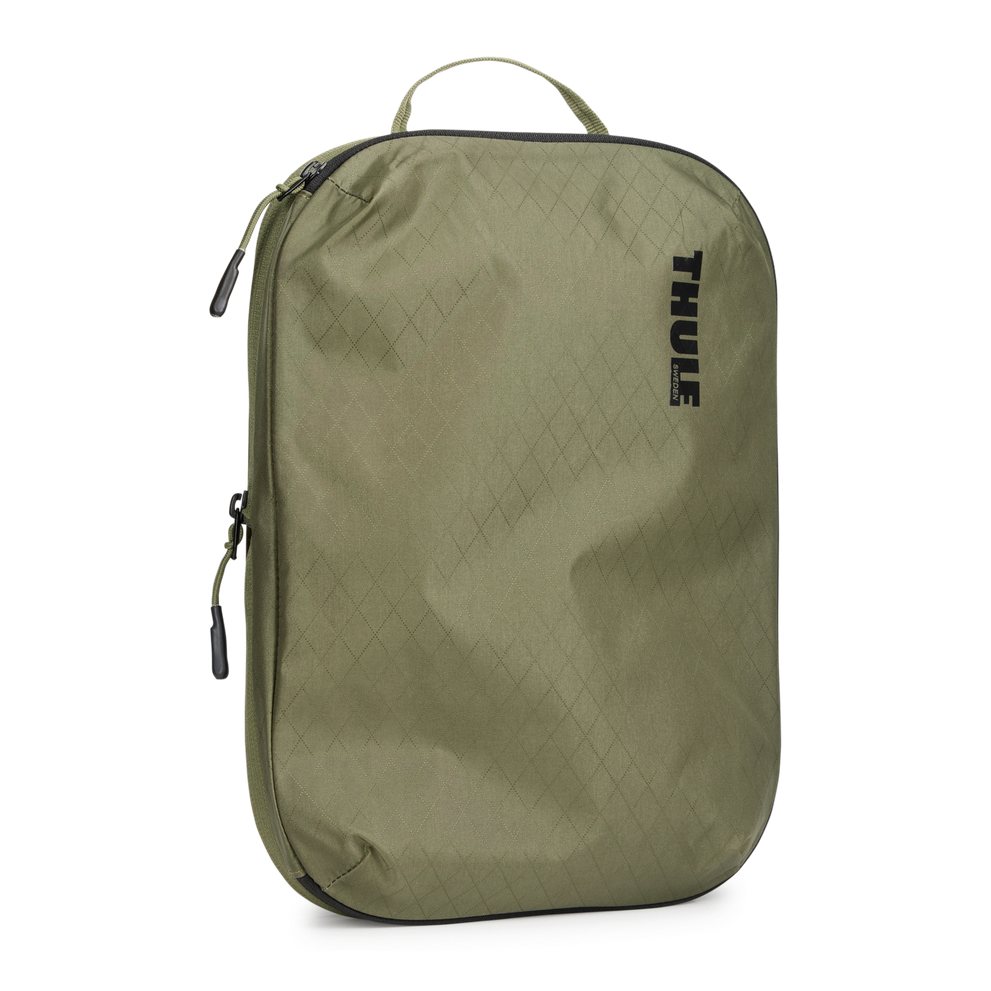
Thule Compression Packing Cubes
A straightforward compression-first approach for travelers trying to control clothing volume rather than build a packing ecosystem.
The evidence sheet
| System | The job | Why it earns a place | What to watch |
|---|---|---|---|
| Peak Design Packing Cubes | Compression + clean/dirty split | Compression zipper and internal divider solve two real travel states | Premium price for a mechanically simple object |
| Eagle Creek Pack-It | Organization + visibility | Long-running modular system; lightweight and easy to understand | Some models organize more than they compress |
| Thule Compression | Volume control | Compression-oriented design without a large accessory ecosystem | Less differentiated if your clothes already fit easily |
What does more money actually buy?
Most packing-cube premiums buy materials, zipper quality and clever partitioning—not a radically different packing outcome. Peak Design is the rare case where the clean/dirty architecture changes the workflow enough to justify paying more for a cube. Otherwise, Eagle Creek is the more disciplined system.
Compression is not capacity
Compression cubes can reduce the volume of soft clothing, but they do not reduce weight. That matters because the traveler who “creates” more room often fills it with more things. For airline weight limits, compression can make the bag denser without making it more compliant.
The strongest design idea
Peak Design's clean/dirty divider is more interesting than cosmetic organization because the state of clothing changes during a trip. A cube that can keep worn items separated while compressing both sides solves an actual process problem rather than merely sorting shirts by category.
When $20 cubes are enough
If the trip is three days, the suitcase is not close to full and you rarely unpack into drawers, simple lightweight cubes—or no cubes—are rational. The premium only earns itself when the packing system repeatedly saves space or search time.
The catch
Compression cubes reorganize volume; they do not change an airline’s weight limit or create space without consequence. Overfilling can strain zippers, wrinkle clothing and make a bag harder to balance. We have not independently cycle-tested fabric, seams or hardware, so long-term durability remains less certain than the layouts suggest.
Peak Design Packing Cubes
Peak Design wins because its premium is attached to a specific workflow advantage: compress clothing on departure, then separate clean from dirty as the trip evolves. That is a better reason to spend than simply matching your suitcase.
Evidence used
Peak Design Packing Cubes
Eagle Creek Pack-It collection
Thule packing organizers