Best Premium Projectors for Flexible Living Rooms
The best living-room projector is not necessarily the most theater-like projector. It is the one that creates a convincing large image without requiring the room to become a dedicated cinema.
The Row
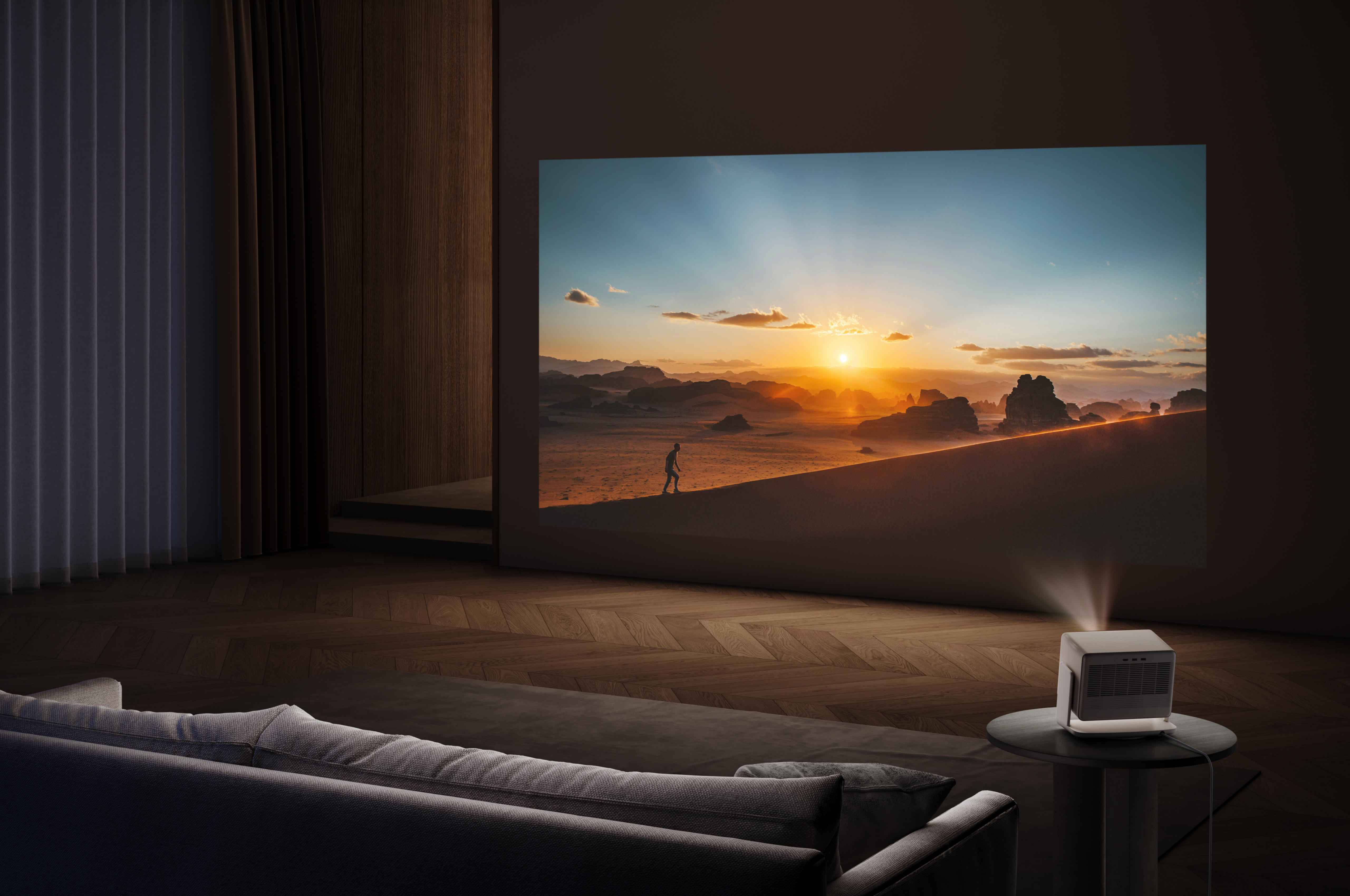
XGIMI HORIZON S Max
3100 ISO lumens, Dolby Vision, integrated stand and aggressive auto-setup create the strongest convenience-to-performance balance.
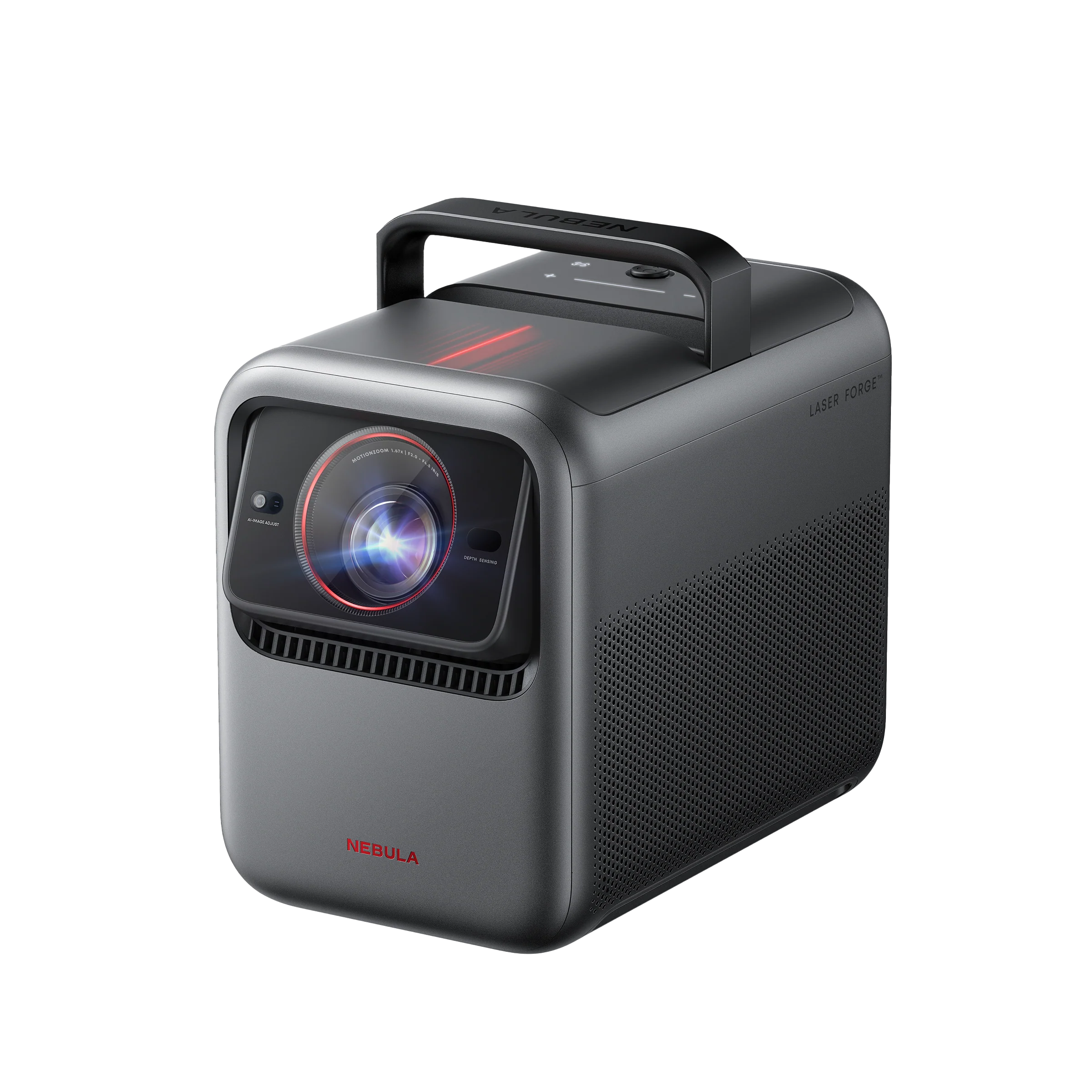
Nebula X1
Triple laser, 3500 ANSI lumens, 5000:1 native contrast and optical zoom justify the premium for buyers chasing a more serious image.
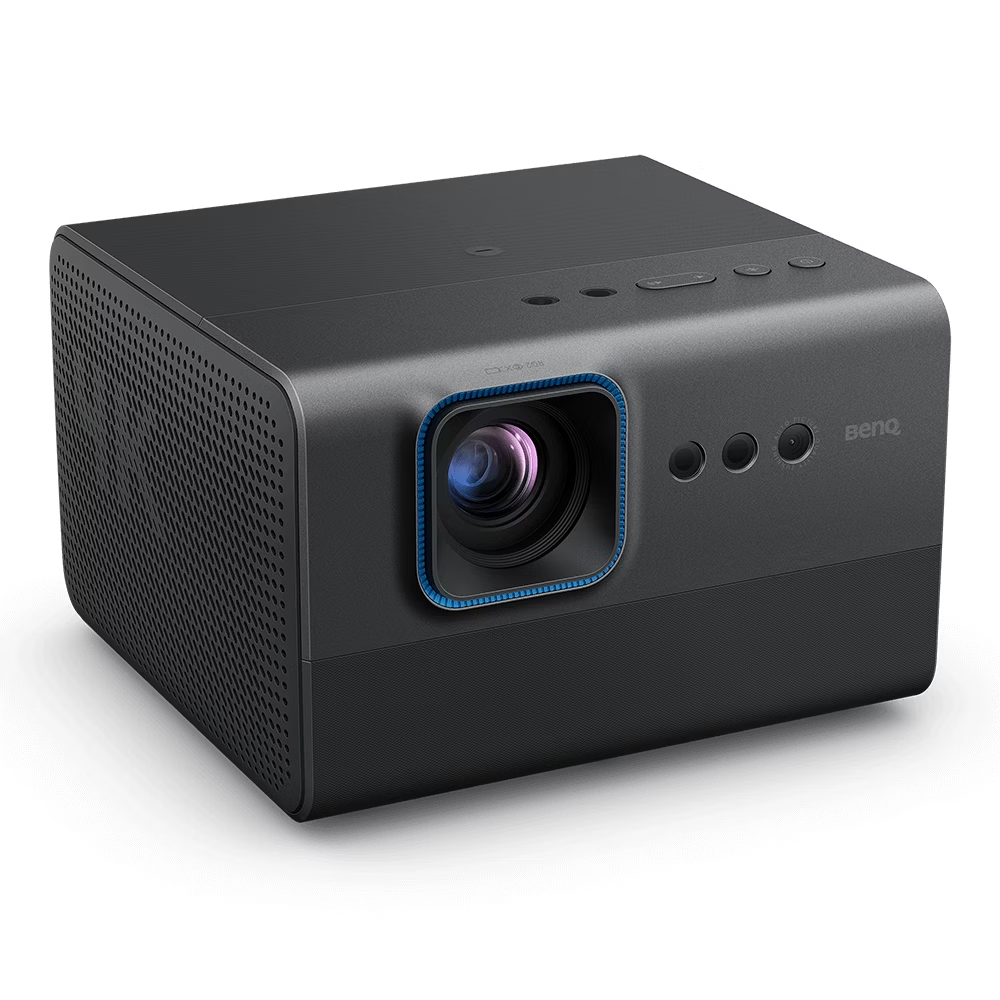
BenQ GP520
2600 ANSI lumens, 4K, 4LED light source and broad automatic geometry offer a simpler route into large-screen living-room projection.
The evidence sheet
| Product | Price | Brightness | Light / optical system | What the premium buys |
|---|---|---|---|---|
| XGIMI HORIZON S Max | $1,429 sale · $1,899 list | 3100 ISO lumens | Dual Light 2.0 · 4K | Dolby Vision, IMAX Enhanced, integrated stand, ISA 5.0 setup |
| Nebula X1 | $2,999 | 3500 ANSI lumens | Triple laser · 4K · 0.9–1.5 throw | 5000:1 native contrast, optical flexibility, micro-gimbal, stronger theater ambition |
| BenQ GP520 | Varies | 2600 ANSI lumens | 4LED · 4K | Auto Cinema, 3D keystone, Google TV, 20k–30k hour rated light source |
What does more money buy once all three can make a 4K image?
Mostly optical headroom, placement flexibility, brightness and automated setup. Those things matter in a living room because the environment changes. They matter less if the projector will be permanently installed in a dark theater.
The decision that actually matters
XGIMI wins for most flexible rooms because the built-in stand and automated setup reduce friction every time the projector moves. Nebula X1 is the specialist upgrade: brighter, optically more flexible and more serious about contrast. BenQ GP520 is the rational alternative when the goal is a strong large-screen system without paying for flagship optical complexity.
Who should buy what
- XGIMI: design-conscious living rooms where placement changes and ease matters.
- Nebula: buyers willing to spend more for a projector that approaches dedicated-theater ambition without permanent installation.
- BenQ: families prioritizing setup flexibility, sports, movies and gaming at a more disciplined spend.
Start with the room, not the projector
Ambient light, throw distance, wall color and screen size determine whether published brightness becomes a convincing picture. Measure where the lens can sit and whether people will cross the beam. A flexible stand and automatic setup can make occasional viewing easy, but optical placement and a proper screen still matter when image quality is the priority.
Decide how often the room must return to normal. Integrated streaming and speakers reduce setup for casual use; external sources and audio make more sense for a system that stays assembled. Fan noise, power placement and cable routing are part of the experience. The premium earns itself when transformation is quick enough that the projector is used, not when specifications describe a theater the room cannot support.
The catch
Brightness metrics are not directly interchangeable across every testing standard. Screen material, ambient light, throw, fan noise, color accuracy and black levels remain hands-on variables. A premium OLED television may still be the stronger answer below roughly 85 inches.
XGIMI HORIZON S Max
For a flexible living room, convenience is not a consolation prize. It is part of the product. HORIZON S Max puts enough image hardware behind that convenience to make the premium coherent.